





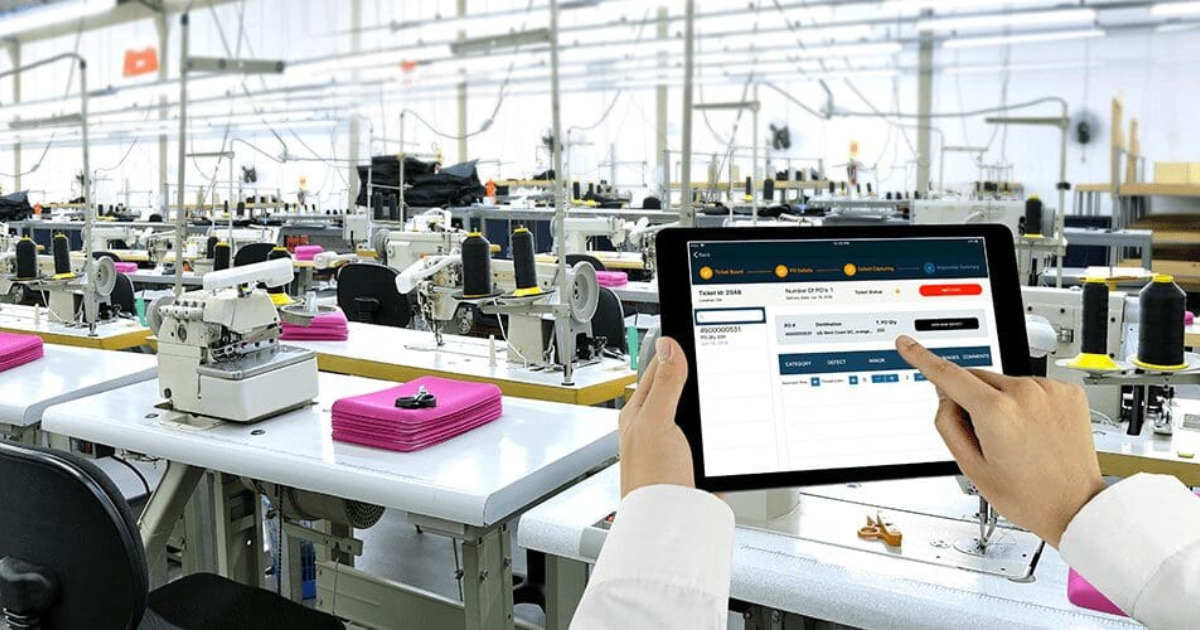
The traditional textile laboratory—historically a room full of standalone, analog machines and handwritten paper logbooks—is rapidly becoming a relic of the past. As the wave of “Industry 4.0” sweeps through the global manufacturing sector, it is being replaced by the “Smart Lab.” This new paradigm is built on a foundation of IoT-enabled textile testing instruments and textile testing machinery that can communicate, analyze, and report data in real-time. This digital transformation is not just about increasing the speed of testing; it is about creating a more accurate, transparent, and efficient quality control process that meets the high-velocity demands of a globalized market.
The Connectivity of Modern Instruments and the IoT Core
The primary driver of this industrial change is the ability of textile testing instruments to connect to the cloud. In a traditional lab setup, a technician would perform a test on a pilling machine, write down the result, and then manually repeat the process for a tensile test, eventually typing both into a spreadsheet. This manual workflow is inherently slow and prone to significant human error. In a smart lab, every textile testing instrument—from the air permeability tester to the electronic crockmeter—is linked to a central management system like SmarTexLab.
ChiuVention has led this integration by building Wi-Fi and Bluetooth connectivity into all of their textile testing machinery. When a fabric sample arrives at the lab, it is assigned a digital identity via a QR code. As it moves from one textile testing instrument to the next, the machines automatically recognize the sample and pull the correct testing parameters (ISO, ASTM, or AATCC) from the cloud. Once the test cycle is complete, the results are instantly uploaded, creating a unified digital file for that specific material batch. This removes the need for manual data entry and ensures that the information is always accurate, timestamped, and up-to-date, providing a “single source of truth” for the entire factory.
Automation and Labor Efficiency in Testing Machinery
Another hallmark of the digital lab is the automation of physical tasks within the textile testing machinery itself. Modern equipment is designed to minimize the “human factor,” which remains the largest source of data variability in textile testing. For example, in a traditional manual crockmeter, the pressure and speed of the rubbing arm could vary slightly depending on the technician’s physical fatigue. A modern, automated textile testing instrument like the SmartCrock removes this variability by using electronic controls to maintain a perfect 9N of pressure and a perfectly consistent linear speed.
This automation also allows for “multi-station” testing, which exponentially increases lab throughput. A single piece of textile testing machinery, such as the Smartindale, can have up to nine testing stations running simultaneously. A technician can start the tests and then move on to other high-value tasks, monitoring the progress of all nine stations from a smartphone app. This “User-Friendly” approach significantly increases the productivity of the laboratory, allowing a smaller team to process a much larger volume of samples without burnout. In an industry where “time-to-market” is a key competitive advantage, the efficiency of automated textile testing instruments is a significant game-changer for profitability.
Traceability and Global Brand Trust
For international apparel brands and retailers, the biggest challenge is maintaining consistent quality across a vast and often fragmented network of global suppliers. They need to know that the fabric being produced in a mill in India or Vietnam meets the exact same standards as the fabric produced in Turkey. This requires a high level of “traceability,” which only digital textile testing machinery can provide at scale.
By using connected textile testing instruments, manufacturers can provide brands with a “live” view of their quality control data. Instead of waiting for a weekly PDF report that might be days old, a brand manager in London can log into a secure portal and see the real-time test results for their specific production orders as they happen. This level of transparency builds immense trust and allows for much faster collaborative decision-making. If a quality dip is detected, the brand and the manufacturer can work together to solve the chemical or mechanical issue immediately, rather than discovering the problem after the goods have shipped. Ultimately, the digital transformation of textile testing machinery is about more than just technology; it is about creating a collaborative, data-driven ecosystem where quality is guaranteed and industrial waste is minimized.