





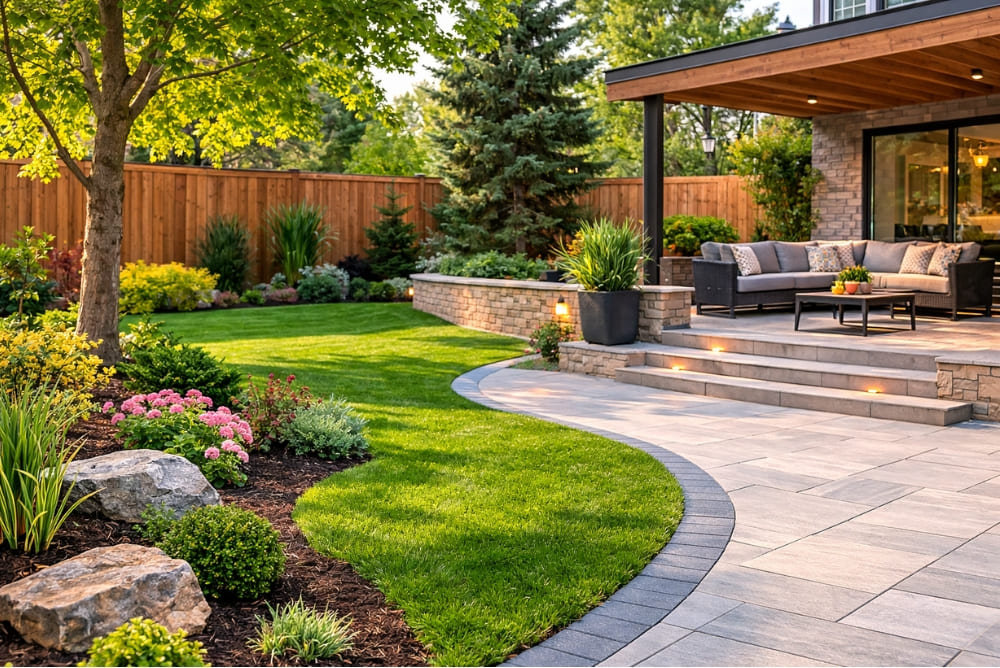
When we look at a beautifully designed outdoor space, we often see a collection of plants, pathways, and patios. But professional landscaping is much more than basic gardening or lawn mowing—it is the deliberate art of sculpting the earth, balancing ecosystems, and creating living architecture that evolves over the course of decades.
Whether transforming a compact urban courtyard or a sprawling suburban yard, modern landscaping merges ecological science with human functionality to turn open land into an outdoor sanctuary.
The Hardscape Foundation: Sculpting the Terrain
Every great outdoor transformation begins below the surface and builds upward. Hardscaping—the non-living elements such as stone, wood, concrete, and metal—forms the structural skeleton of the project. Without a solid hardscape framework, soft plantings lack context and boundary.
Key structural elements in contemporary design include:
- Retaining Walls and Terracing: Used not just for aesthetic appeal, retaining walls solve critical elevation challenges, preventing soil erosion on sloped properties while creating flat, usable garden tiers.
- Permeable Pavers: Modern patios and driveways increasingly utilize interlocking permeable stones that allow rainwater to infiltrate the ground naturally, reducing surface runoff and replenishing local aquifers.
- Outdoor Living Rooms: Integrated kitchens, fire pits, and stone pergolas extend the square footage of the home into the open air, shifting the backyard from a view to a destination.
Softscaping: Selecting the Right Palette
Once the structural hardscapes are anchored, softscaping breathes life into the environment. Selecting trees, shrubs, perennials, and ground covers requires a deep understanding of local soil chemistry, microclimates, and seasonal changes.
A well-planned softscape relies on contrast, texture, and ecological harmony:
- Layered Canopy Design: Combining tall shade trees, mid-level flowering shrubs, and low-growing ground cover mimics natural forest edges, creating visual depth and robust wildlife habitats.
- Seasonal Interest Rotation: Designing flowerbeds so that different species peak across spring, summer, autumn, and winter ensures the landscape never looks barren or neglected.
- Native Plant Integration: Prioritizing indigenous flora reduces the need for heavy fertilizers and artificial interventions, as native plants are naturally adapted to local rainfall and pest conditions.
Sustainable and Water-Wise Earthworks
As climate variability and water scarcity impact suburban communities, sustainable landscaping has become the industry standard. Traditional, high-maintenance Kentucky bluegrass lawns that demand massive chemical inputs and daily irrigation are steadily giving way to eco-conscious alternatives.
- Xeriscaping: Utilizing drought-tolerant succulents, ornamental grasses, and decorative gravel beds to design striking landscapes that require little to no supplemental watering.
- Rain Gardens: Strategically depressed garden basins filled with moisture-loving native plants designed to capture and filter stormwater runoff from roofs and driveways.
- Smart Irrigation Systems: Soil-moisture sensors and weather-based controllers ensure that drip lines deliver precise hydration strictly when needed, eliminating waste.
The Living Canvas
The true magic of landscaping lies in its temporal nature. Unlike interior design or architectural building, a landscape is never truly “finished”—it grows, blooms, sheds, and matures with the seasons. By carefully balancing hard architectural strength with the soft, shifting beauty of nature, professional design creates outdoor environments that honor the land while welcoming us into it.